
Grain Drying Systems Built for Western Canadian Farms
From in-bin drying to high-capacity systems, WallGrain designs and installs grain drying systems that protect grain quality, improve efficiency, and support consistent harvest flow.
Grain Drying Systems Built for Efficient Harvest Flow
Grain drying plays a critical role in harvest efficiency. When drying capacity, airflow, or system layout falls short, harvest slows, handling efficiency drops, and grain quality can be compromised.
WallGrain designs drying systems around your harvest pace, crop conditions, and storage strategy. Each system is planned to support steady throughput, consistent moisture reduction, and efficient operation across the full grain handling system.
Our grain drying solutions include:
- In-bin drying systems for integrated storage and conditioning
- High-capacity grain dryers for efficient moisture removal
- Airflow systems designed for consistent drying performance
- Drying layouts engineered to support harvest flow and storage
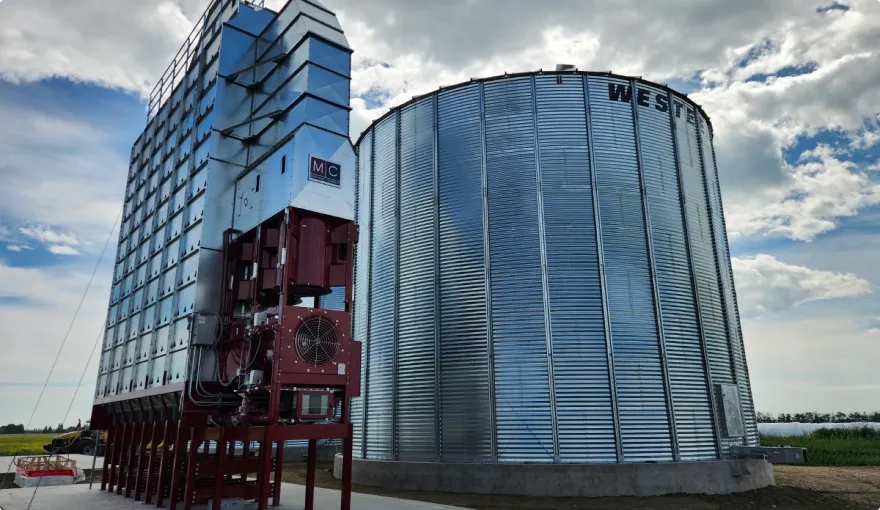
Types Of Grain Drying Systems
Choosing the right drying system depends on your operation size, crop conditions, and harvest volume.
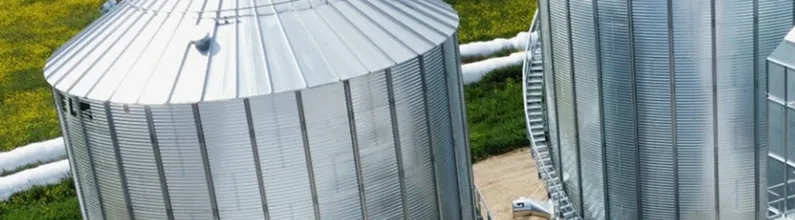
Screen-Type Continuous Flow Dryers
Use perforated screens to move heated air through the grain column, providing reliable drying performance, straightforward operation, and consistent moisture removal across a wide range of crop conditions.
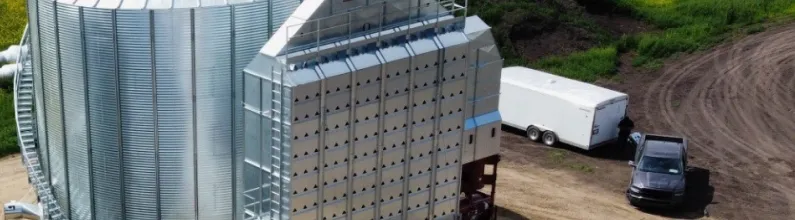
Mixed Flow (Screenless) Continuous Flow Dryers
Use internal ducting and external heat chambers to distribute air and heat evenly through the grain, helping maintain bushel weight and grain quality in wetter drying conditions while reducing fire risk. Unloading options include a 10" U-trough unloader or drag conveyor.
Both systems are designed for high-capacity operations, but differ in airflow design, maintenance requirements, and how evenly heat is distributed through the grain.
Each serves a different role depending on your operation, and the right selection ensures efficient drying, consistent moisture control, and long-term performance.
Drying Systems Built for Demanding Harvest Conditions
Grain drying must perform as part of a complete system under demanding harvest conditions. Drying, storage, handling, and monitoring need to work together to maintain efficiency and protect grain quality as moisture levels, temperatures, and harvest volumes change.
WallGrain designs drying systems for variable crop conditions, changing weather, and high-throughput harvest periods. Our approach focuses on airflow control, drying capacity, and system integration so your drying system performs reliably through harvest and supports long-term storage performance.
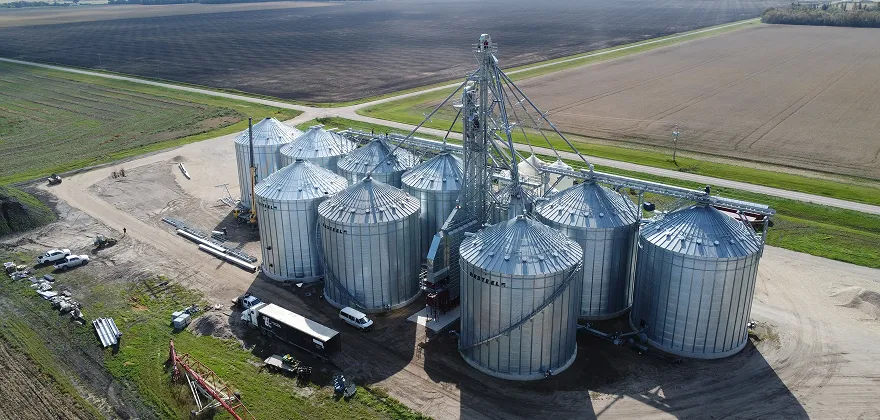
Drying Capacity Should Support Your Harvest Pace
Grain drying systems need to be sized for the realities of harvest, not average field conditions.
When drying capacity is too low, harvest movement slows and grain sits longer than it should. When capacity is too high, fuel use and equipment costs rise without delivering meaningful gains.
WallGrain designs drying systems that balance throughput, airflow, and heat application to keep harvest moving efficiently while protecting grain quality.
Common Grain Drying Mistakes
Drying problems usually start with systems that are not properly matched to crop conditions, harvest pace, or the rest of the operation.
- Drying capacity that cannot keep up with harvest
- Uneven airflow that leaves grain at inconsistent moisture levels
- Grain drying equipment that does not align with storage and handling flow
- Limited control over heat and moisture removal
Preventing these issues starts with a drying system designed around how your operation actually runs.
Proven Results In The Field
From installation to long-term performance, producers count on WallGrain for reliable, well-executed systems.
“The bins built and designed by WallGrain Handling Systems have paid for themselves many times over the years and continue to serve us well.”
“What a wonderful team to work with had a update problem with my eco 600 dryer and you guys went above and beyond what I expected for service and didn't leave till problem was solved thanks”
“WallGrain coming to the yard was reassurance that they would be there to help us with our purchase now and in the future. It's clear they care about us.”
“When speaking with the grain management advisors, we learned a lot about how temperature monitoring and fan control can keep you from losing value on your grain.”
Serving Producers Across Western Canada
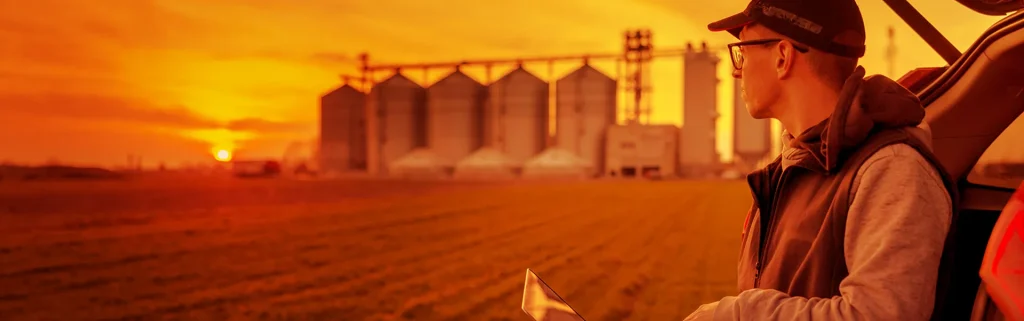
For more than four decades, WallGrain has worked alongside producers across Manitoba, Saskatchewan, and Alberta, delivering grain handling systems built for real Prairie conditions.
Our experience allows us to design systems that account for short harvest windows, variable moisture conditions, high-throughput crops, and cold-weather storage challenges.
By combining engineered design with hands-on field experience, we deliver practical systems that improve efficiency and protect grain quality.
Engineered Equipment Built for Demanding Conditions
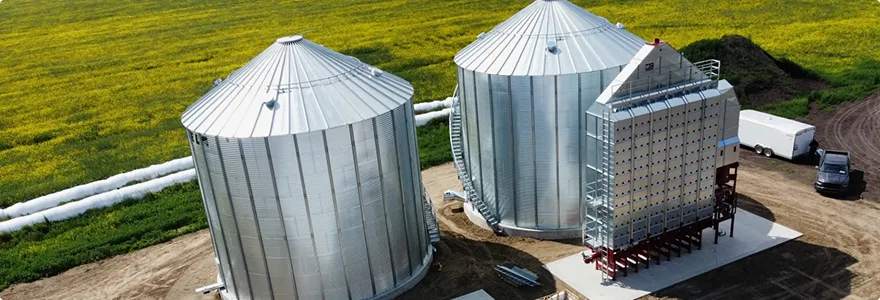
Our equipment is selected for structural strength, capacity efficiency, and service accessibility.
- Capacity matched to harvest speed
- Efficient airflow and drying performance
- Structural durability under snow and wind load
- Ease of maintenance and parts availability
We work with proven manufacturers to ensure every component meets performance and reliability standards.
Automated Grain Monitoring And Control Systems
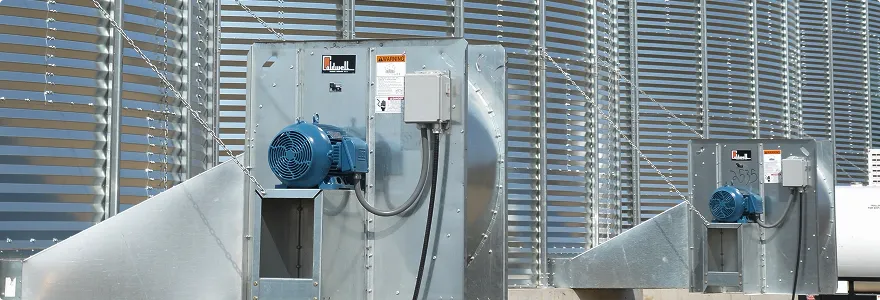
WallGrain integrates advanced monitoring and automation technology into your grain handling systems, providing real-time control over temperature, moisture, and airflow across your entire operation.
These systems are designed to improve performance, not just visibility. By responding to changing conditions automatically, they help reduce shrink loss, prevent spoilage, and improve overall energy efficiency.
- Early detection of hotspots before damage occurs
- Reduced energy use through automated fan control
- Improved grain quality preservation during long-term storage
- Less manual monitoring and intervention
Integrated into your grain handling systems, monitoring technology protects grain value and supports consistent storage performance.
Build A More Efficient Drying System With WallGrain
Grain drying has a direct impact on harvest pace, grain quality, and how efficiently the rest of your system operates. A properly designed drying system helps keep grain moving, supports consistent moisture control, and strengthens long-term storage performance.
If you are planning to upgrade drying capacity, improve harvest efficiency, or invest in grain drying equipment that integrates more effectively with storage and handling, partner with a team that designs systems around the demands of Western Canadian farming.
Frequently Asked Questions About Grain Drying Systems
The right dryer depends on your harvest volume, crop type, and moisture levels. In-bin, batch, and continuous systems each serve different needs.
If drying slows your harvest or creates repeated delays, your system likely does not match your intake capacity.
Yes. Properly designed systems integrate drying with storage, handling, and monitoring for better efficiency.
Airflow, temperature control, system design, and grain condition all impact drying performance.
Proper airflow design and control systems help maintain consistent moisture levels and reduce grain loss.
Yes. Drying systems must keep up with peak harvest to avoid delays and maintain grain quality.
Contact Us
Serving Producers Across Western Canada. Our experience allows us to design systems that account for short harvest windows and variable conditions.