
Article Overview:
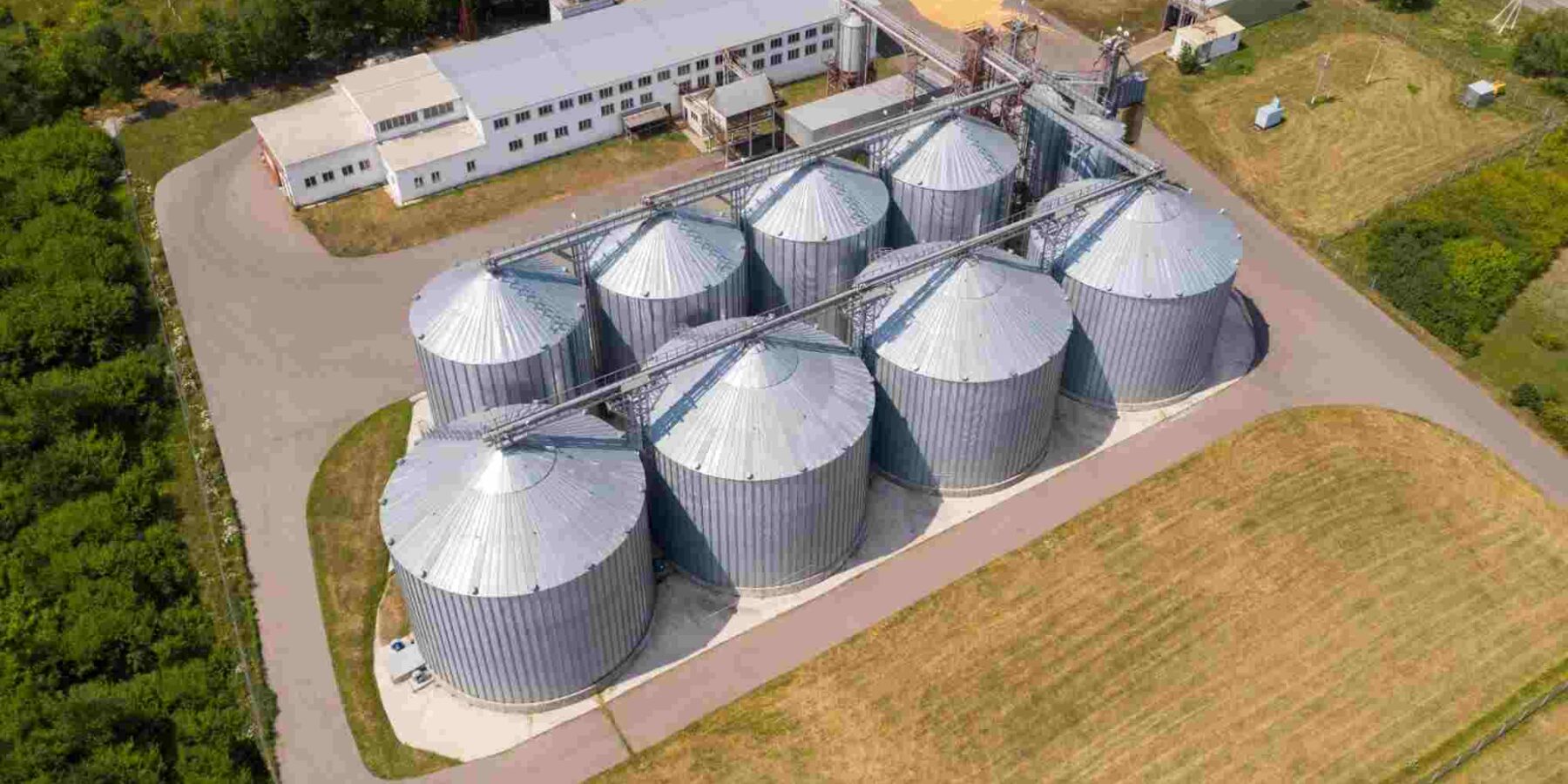
Grain yard design has a direct impact on how efficiently grain moves from the field through receiving, drying, storage, and loadout. A yard can have capable equipment and adequate storage yet still lose time through poor routing, mismatched capacities, or truck congestion. This article explores how efficient grain yards are planned around real harvest flow and how producers can identify layout improvements that reduce delays and unnecessary handling.
Efficient Grain Yards Start With Grain Flow
The best grain yards are designed around the path grain takes through the operation. Receiving, conveying, drying, storage, and loadout should follow a logical sequence that minimizes travel distance and unnecessary transfers.
Problems often develop when a yard expands one project at a time. A bin is added where space is available, a dryer is installed later, and conveying equipment is routed around infrastructure already in place. Each addition may work individually, but the complete yard can become more difficult to operate.
Good grain yard design considers those connections before equipment locations are finalized. The goal is consistent movement from one stage to the next, especially when harvest volumes are at their highest.
How Does Receiving Affect the Rest of the Yard?
Receiving sets the pace for everything that follows. Trucks need to enter, unload, and return to the field efficiently while grain moves away from the intake fast enough to keep the receiving point available.
A high-capacity receiving system provides limited value if conveyors cannot move grain away at a compatible rate or wet holding fills too quickly.
Consider an operation where trucks can unload quickly but must cross the same yard area used by equipment moving toward the dryer or storage. During peak harvest, those traffic conflicts force trucks and equipment to wait, reducing the actual throughput of the receiving system even though the unload itself is fast.
A better yard layout separates those movements where possible, giving loaded trucks, empty trucks, and grain-handling equipment clearer paths through the site. This reduces waiting, keeps receiving available longer, and allows the system to operate closer to its intended capacity.
Traffic Flow Is Part of System Capacity
Truck movement has a direct effect on how much grain a yard can process during harvest. Clear routes for loaded and empty trucks can reduce waiting and keep receiving available.
When evaluating grain yard design, producers should consider:
- Entry and exit routes for loaded and empty trucks
- Space for trucks to queue without blocking equipment
- Turning room near receiving and loadout areas
- Access to bins, dryers, fans, and service points
- Conveyor routes that limit conflicts with vehicle movement
- Future bin locations and how expansion may affect traffic
These details can shorten cycle times without increasing the rated capacity of any equipment.
Conveying Should Follow the Shortest Practical Path
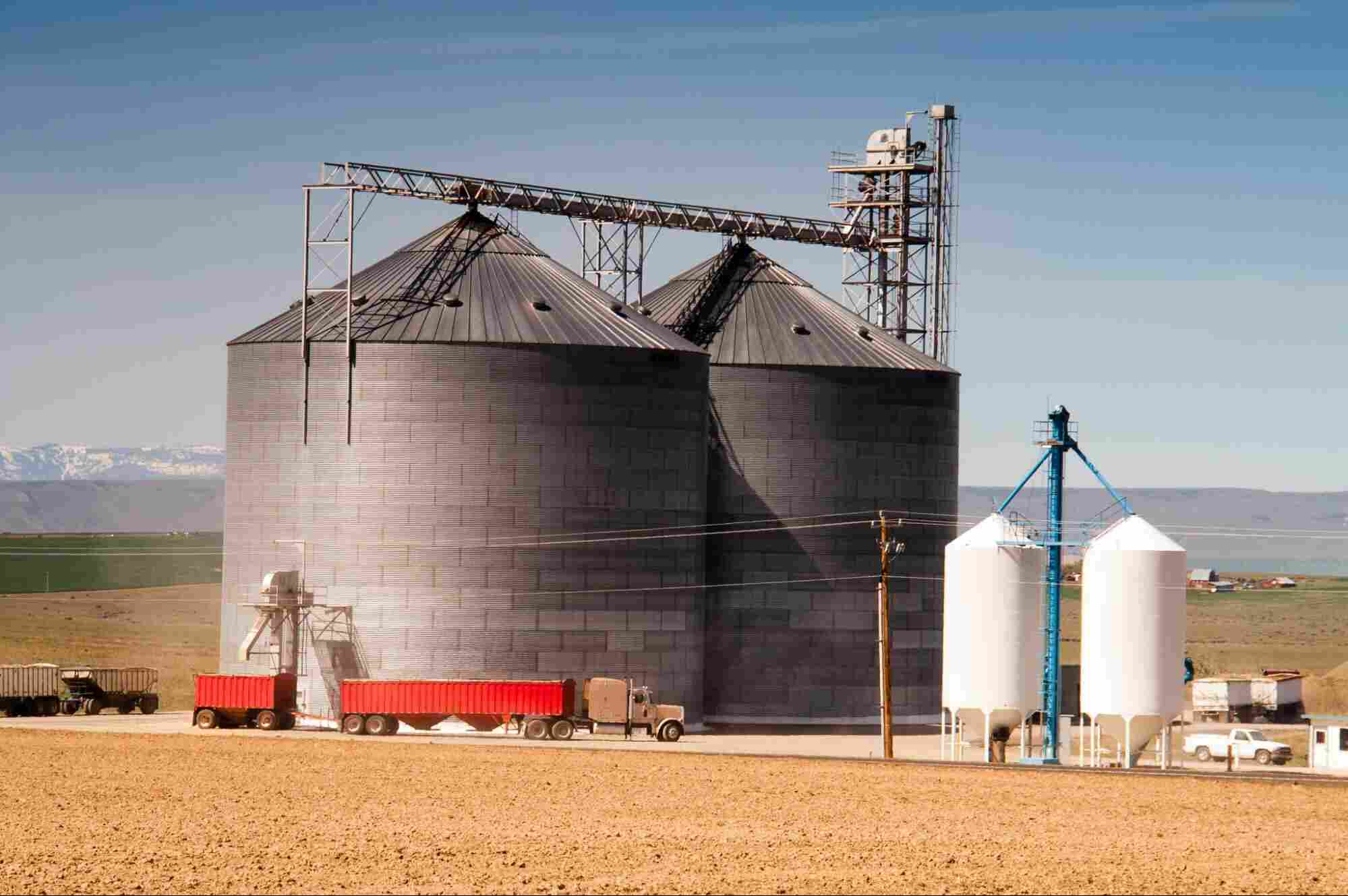
Every additional transfer adds time, equipment use, and another point where grain changes direction. Repeated handling can also increase wear and grain damage.
Efficient conveying layouts connect receiving, drying, and storage as directly as practical while maintaining enough flexibility for different crops and storage destinations.
For additional ideas on reducing handling steps and matching equipment capacities, read our article Efficient Grain Handling Systems: Ideas to Streamline Your Operation to understand how grain movement can be organized to improve flow during peak harvest.
Storage Location Influences Harvest Efficiency
Storage capacity matters, but location can be just as important. Bins that require long conveying routes or repeated equipment moves can slow grain movement even when storage space is available.
Grain Storage Systems should be planned around the role each bin serves within the operation. Wet holding, long-term storage, crop segregation, and loadout can require different handling arrangements. Locating storage according to those functions helps maintain efficient grain flow and supports future expansion.
Existing yards may also have opportunities to improve performance without major reconstruction. Grain Storage Optimization: How Can You Improve Performance Without Major Upgrades explains how targeted improvements to layout, airflow, handling, and storage management can strengthen existing infrastructure.
Drying Must Fit Into the Grain Path
Drying is another point where yard layout and equipment capacity need to work together. Wet grain needs a direct route from receiving or wet holding into the dryer, followed by enough downstream capacity to move dried grain into storage.
Poor dryer placement can add unnecessary transfers or create longer conveying routes. Planning drying as part of the full grain path helps keep material moving steadily through harvest.
Grain Yard Design Should Support Future Growth
A strong layout also leaves room for the next stage of the operation. Future bins, larger conveying equipment, added drying capacity, electrical service, and truck routes all require space.
Grain Handling System Design considers receiving, conveying, drying, storage, traffic flow, and future expansion as one connected system. This helps producers make current investments that continue to support the operation as throughput increases.
Planning ahead also makes phased expansion easier because new infrastructure can connect to the existing grain path instead of forcing major relocation later.
Build the Yard Around How Harvest Actually Works
Efficient grain yards are designed around the way grain, equipment, and trucks move during peak harvest. When each part of the yard supports the next, the operation can run more smoothly and make better use of available capacity.
For operations upgrading an existing yard or planning new infrastructure, a systems-first approach helps improve day-to-day efficiency while supporting long-term performance.
Contact WallGrain to plan a grain yard built around efficient grain flow, practical traffic movement, and future growth.