
Grain Storage Systems Built for Western Canadian Farms
From flat bottom bins to hopper and smooth wall storage, WallGrain designs and installs grain storage systems that protect grain quality, improve airflow, and support long-term performance.
Grain Storage Designed for Performance
Grain storage is the foundation of your entire system. Poor airflow, undersized capacity, or improper layout leads to spoilage, bottlenecks, and lost efficiency.
WallGrain designs storage systems that align with your harvest speed, crop mix, and long-term plans. Every bin and layout is engineered to perform as part of a complete operation.
Our grain storage solutions include:
- Flat bottom bins for high-capacity, long-term storage
- Hopper bottom bins for efficient unloading and flexibility
- Smooth wall bins for controlled flow and cleanout
- Aeration systems designed for consistent airflow
- Storage layouts engineered for future expansion
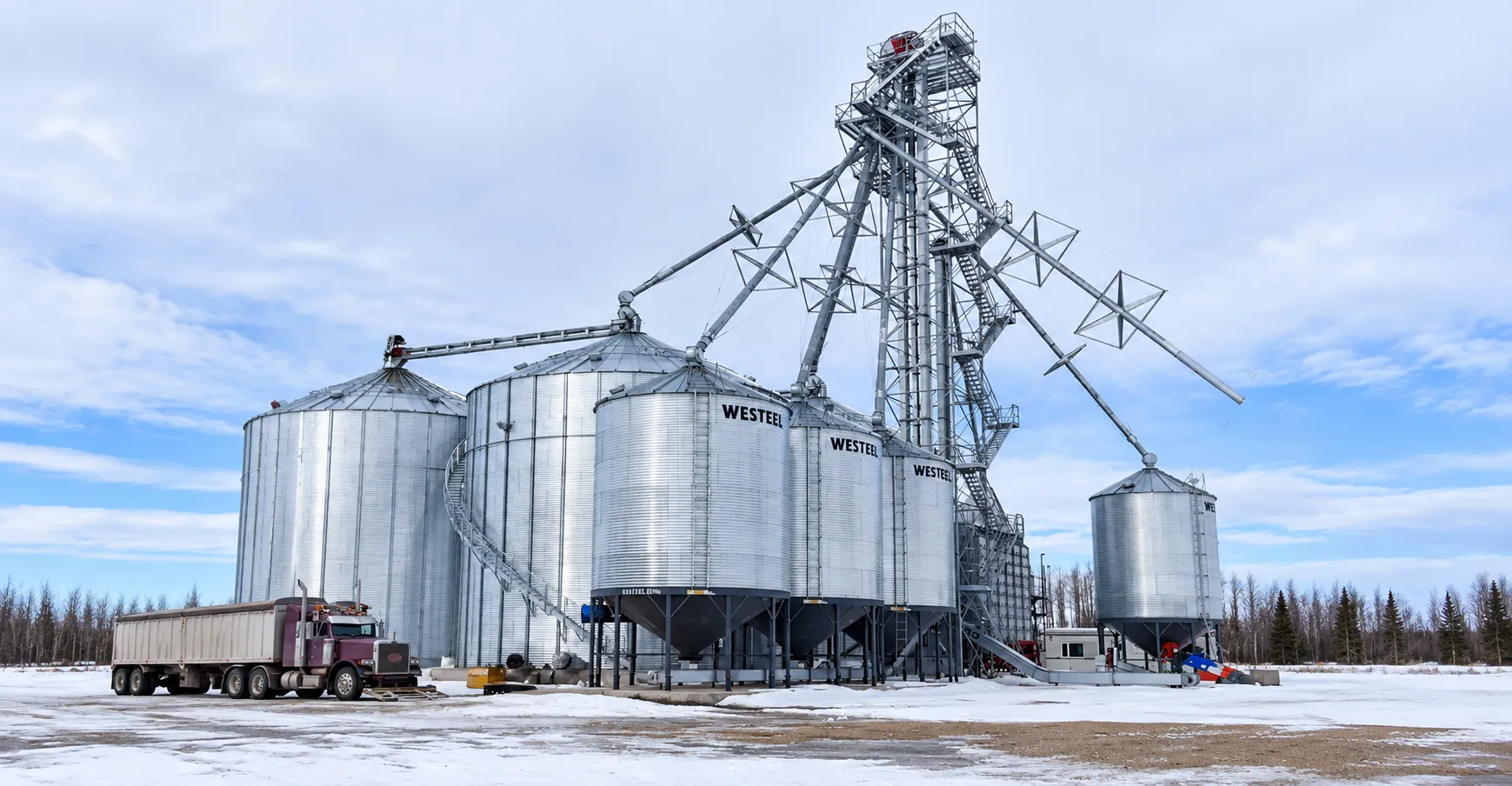
Types Of Grain Storage Systems
Choosing the right storage system depends on how your operation handles grain throughout the season.
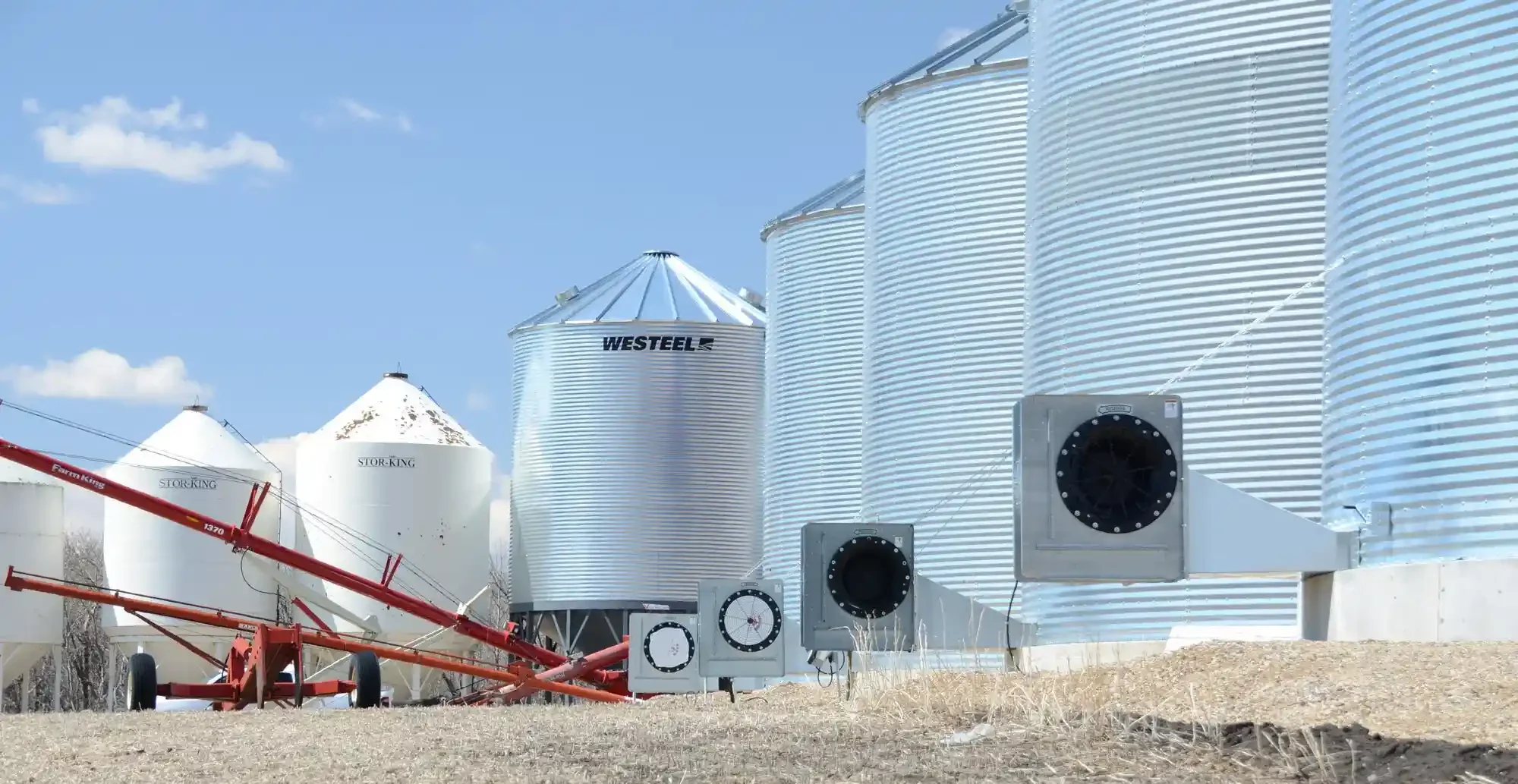
Flat Bottom Bins
High-capacity storage for long-term holding
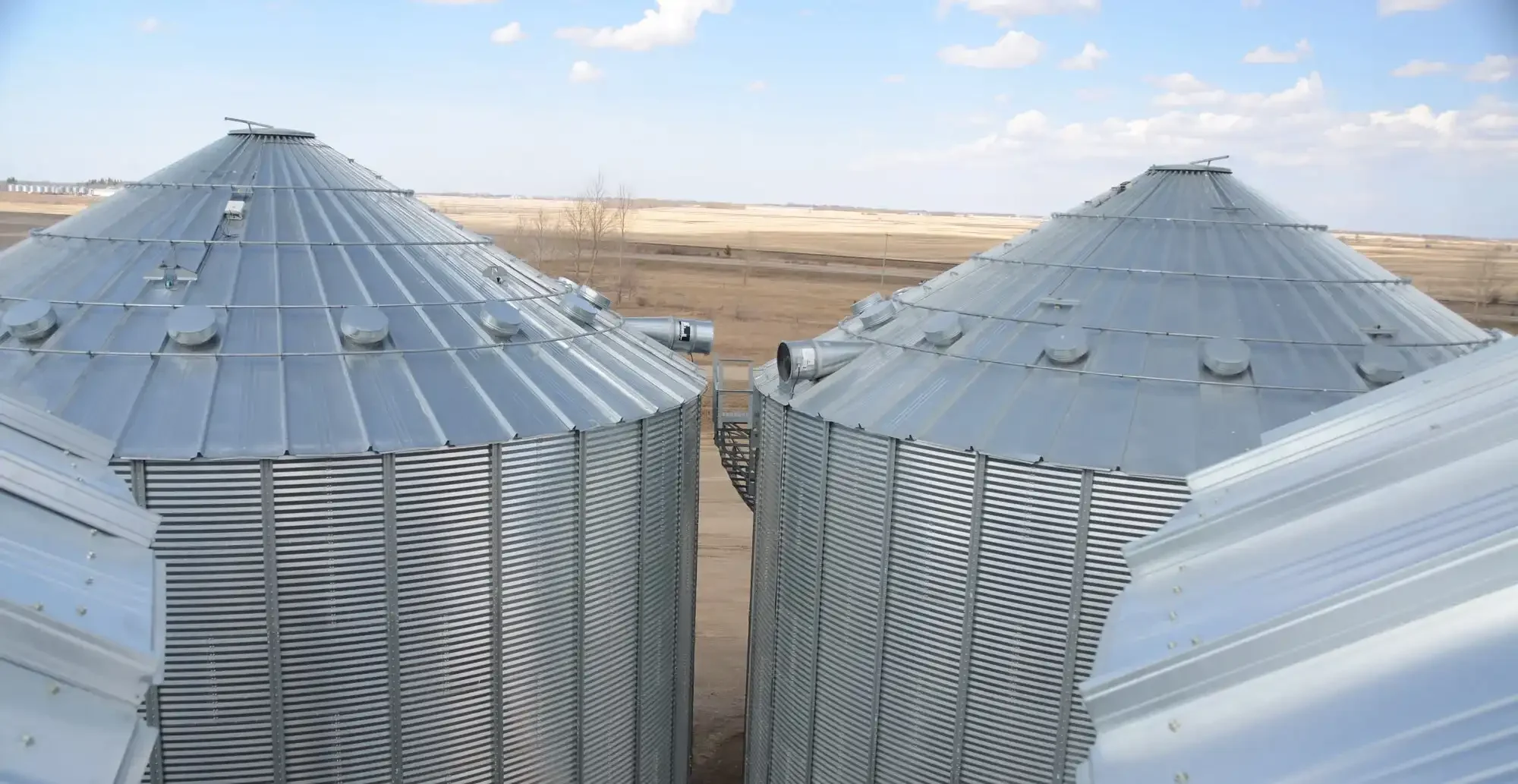
Hopper Bottom Bins
Efficient unloading and operational flexibility
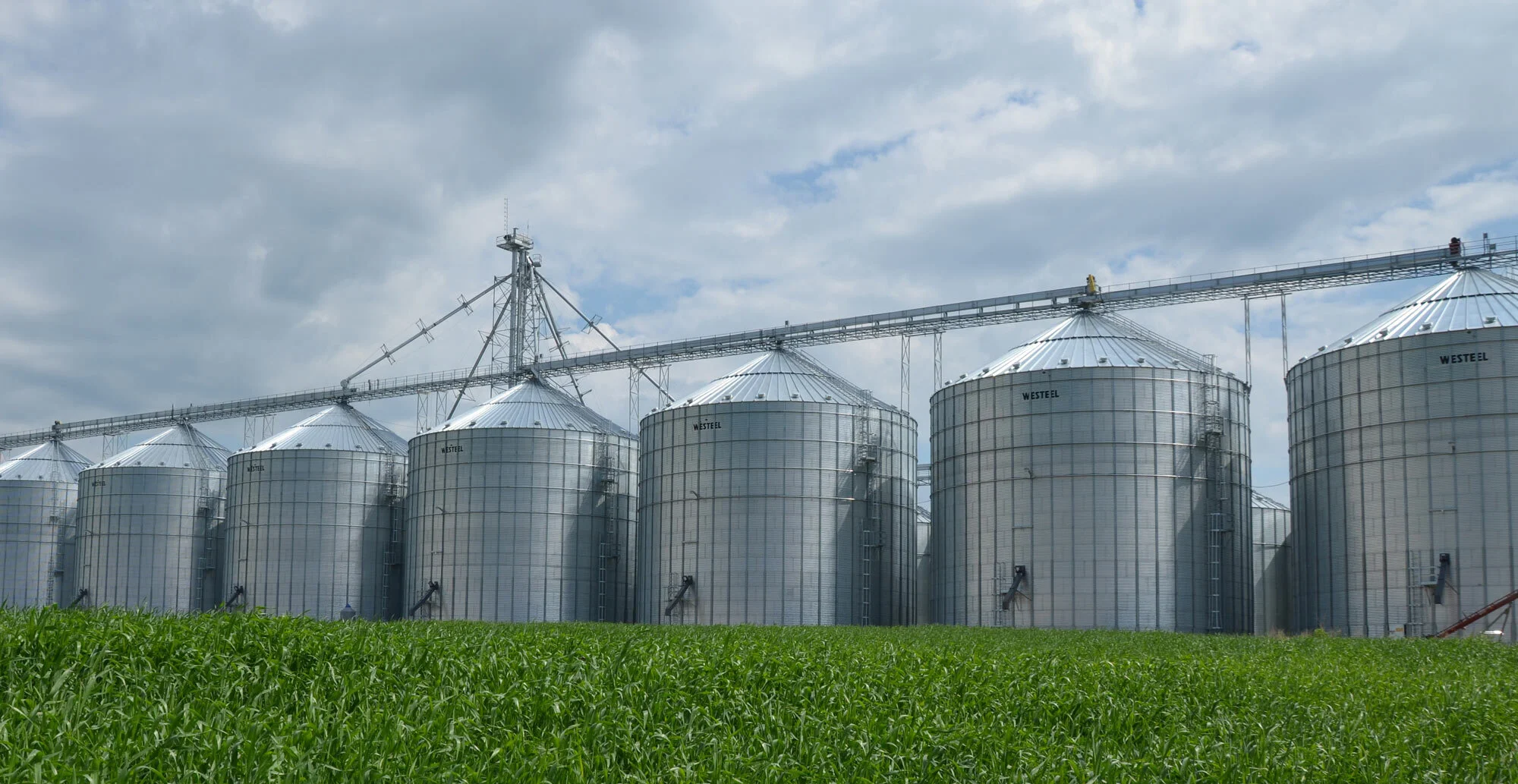
Smooth Wall Bins
Controlled flow and improved cleanout
Each serves a different purpose, and the right combination improves efficiency across your entire system.
Storage Systems Built for Real Prairie Conditions
Grain storage must perform as part of a complete system while holding up under Western Canadian demands. Storage, drying, handling, and monitoring must work together to maintain efficiency and protect grain quality.
WallGrain designs systems that perform under heavy snow loads, wide temperature swings, high-throughput harvest periods, and long-term storage requirements.
Our approach focuses on airflow performance, structural integrity, and system integration so your storage works reliably today and scales with your operation over time.
Storage Capacity Should Match Your Harvest Speed
Grain storage should be designed around peak harvest conditions, not average production.
Undersized systems create delays and increase spoilage risk. Oversized systems increase capital costs without improving efficiency.
WallGrain designs storage systems that balance capacity, airflow, and throughput to support efficient harvest and long-term performance.
Common Grain Storage Mistakes
Most storage issues are the result of design decisions made too early or without full system planning.
- Undersized bins that cannot keep up with harvest
- Inadequate airflow leading to hotspots
- Poor layout causing handling bottlenecks
- No plan for future expansion
Avoiding these issues starts with proper system design.
Proven Results In The Field
From installation to long-term performance, producers count on WallGrain for reliable, well-executed systems.
“The bins built and designed by WallGrain Handling Systems have paid for themselves many times over the years and continue to serve us well.”
“What a wonderful team to work with had a update problem with my eco 600 dryer and you guys went above and beyond what I expected for service and didn't leave till problem was solved thanks”
“WallGrain coming to the yard was reassurance that they would be there to help us with our purchase now and in the future. It's clear they care about us.”
“When speaking with the grain management advisors, we learned a lot about how temperature monitoring and fan control can keep you from losing value on your grain.”

Serving Producers Across Western Canada
For more than four decades, WallGrain has worked alongside producers across Manitoba, Saskatchewan, and Alberta, delivering grain handling systems built for real Prairie conditions.
Our experience allows us to design systems that account for short harvest windows, variable moisture conditions, high-throughput crops, and cold-weather storage challenges.
By combining engineered design with hands-on field experience, we deliver practical systems that improve efficiency and protect grain quality.
Build A Stronger Storage System With WallGrain
Reliable grain storage is not optional under real Western Canadian conditions. It is essential.
If you are planning to upgrade your grain bins, expand capacity, or improve storage performance, partner with a team that has built systems around the realities of Western Canadian farming.
Frequently Asked Questions About Grain Storage Systems
Flat bottom grain bins are typically used for high-capacity, long-term storage due to their efficiency and scalability.
Aeration is critical. Proper airflow helps control temperature and moisture, reducing spoilage risk.
Yes. Grain storage systems can be designed for future expansion if planned correctly from the start.
If your system cannot keep up with harvest speed, requires frequent workarounds, or creates delays during unloading or drying, it is likely undersized. Properly designed systems should match peak intake rates and operate without bottlenecks.
Grain quality is influenced by airflow, temperature control, moisture levels, and how well the storage system integrates with drying and monitoring. Poor airflow or uneven conditions can lead to hotspots, spoilage, and loss of value.
Both are critical, but airflow often determines long-term performance. High-capacity bins without proper aeration and system integration can lead to quality issues. A balanced design ensures storage volume and airflow work together effectively.
Contact Us
Serving Producers Across Western Canada. Our experience allows us to design systems that account for short harvest windows and variable conditions.